SE11 removals guide for terraces and narrow access
Posted on 09/05/2026
SE11 Removals Guide for Terraces and Narrow Access
Moving in SE11 can be deceptively tricky. A terrace might look straightforward from the street, but once you start measuring hallways, dealing with tight staircases, or figuring out where a van can safely pause, the job becomes a different story. This SE11 removals guide for terraces and narrow access is designed to help you plan properly, avoid the usual headaches, and get the move done with a lot less stress. Whether you are leaving a flat above a shop, a Victorian terrace, or a conversion with a very awkward side passage, a bit of planning goes a long way. And yes, it really does save time on the day.
Kennington and the wider SE11 area have a mix of period homes, busy roads, permit-controlled parking, and compact residential layouts. That means removals often need more than a van and a couple of strong backs. You need timing, route planning, careful packing, and a clear idea of what will fit where. In our experience, the moves that go smoothly are the ones where someone asked the "slightly boring" questions early on. Those are the questions that matter.
If you are still comparing move types, service levels, or vehicle options, you may also find the broader services overview useful, along with the man with a van service and the more detailed man and van in Kennington page. They are helpful if your move is small to medium, or if access is the main concern.
Why SE11 Removals Guide for Terraces and Narrow Access Matters
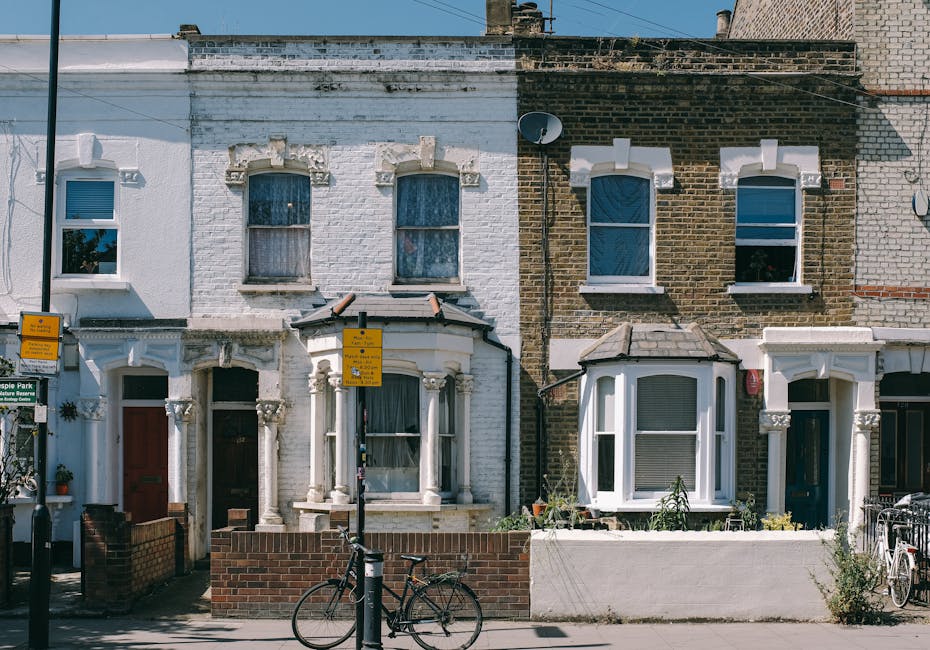
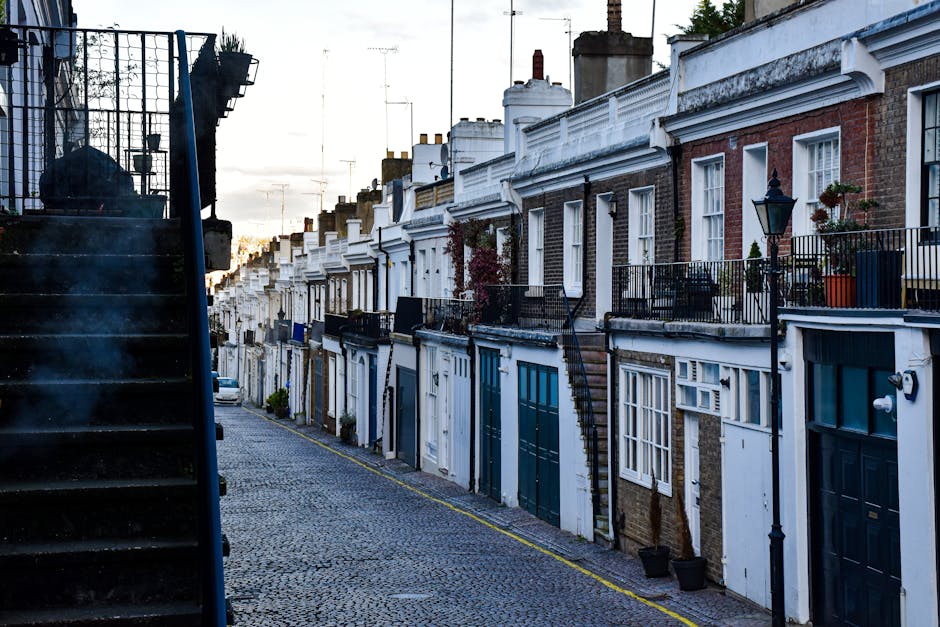
Terraced streets are lovely. They have character, storage nooks, sash windows, and that London feel people genuinely move for. But they also tend to come with narrow halls, steep stairs, shared entrances, front steps, limited turning space, and parking that is, let's face it, not always generous. In SE11, that combination can turn a normal house move into a puzzle.
This matters because access issues affect almost everything: how long loading takes, what size van you need, whether items must be carried further than expected, and how many people are needed on the day. If you ignore access until the van arrives, you can end up with delays, extra carrying distance, or the very awkward moment where a wardrobe simply will not turn the corner. Nobody wants that at 8:15 on a wet Monday morning.
Good planning also reduces risk. Tight stairwells and narrow doors increase the chance of scuffs, drops, and rushed lifting. That is not just annoying; it can lead to damaged furniture, scratched walls, and avoidable strain. If you are arranging a move in the area, choosing a team that understands local property layouts can make a real difference. A company used to these conditions, such as a local removal company in Kennington, is more likely to ask the right questions before move day.
There is also a timing angle. SE11 can be busy, with school runs, commuter traffic, and parking pressure all competing for space. A move that starts ten minutes late can snowball if the van cannot stop close to the property. That is why access planning is not a "nice to have". It is part of the move itself.
How SE11 Removals Guide for Terraces and Narrow Access Works
The process is less mysterious than people think. It starts with understanding the property and ends with making the load-out as efficient as possible. Simple in theory. Slightly more fiddly in real life.
First, you assess the access route. That means checking front steps, hallway width, stair turns, ceiling height, basement drops, garden paths, shared entrances, and the distance from door to vehicle. If you can, measure the widest and tightest points. A sofa that clears the front door might still fail on the landing. That happens more often than people expect.
Second, you decide what needs specialist handling. Large wardrobes, glass tables, mattresses, pianos, awkward sofas, and heavy white goods often need extra care, more people, or disassembly. If you are moving anything particularly fragile or bulky, it can help to look at dedicated services such as furniture removals in Kennington or, for especially delicate instruments, piano removals.
Third, you plan the vehicle and the loading method. On a narrow street, a smaller van may actually be faster than a larger one because it can park more sensibly and reduce carrying distance. For some moves, a flexible removal van in Kennington works better than a large truck. It sounds counterintuitive, but with terrace properties, less can genuinely be more.
Finally, you set the sequence. The best moves usually load in the right order: larger items first, boxes stacked with care, fragile pieces secured, and the essentials kept separate. If the route from the front door to the van is long or awkward, a short carry plan matters almost as much as the packing itself.
Key Benefits and Practical Advantages
When a move is planned properly for terrace access, the benefits show up quickly. Not in some dramatic way. More like a series of small wins that make the day calmer.
- Less time wasted: fewer back-and-forth trips, fewer surprises at the door, fewer pauses while everyone stands and thinks.
- Lower damage risk: careful routing and the right equipment reduce bumps, knocks, and crushed corners.
- Better vehicle choice: you avoid paying for a van that is too large to park sensibly or too small to do the job in one go.
- Less physical strain: stairs and narrow turns are tiring; planning helps protect both people and property.
- More predictable costs: access issues are a major reason moves overrun, so planning can keep the final bill steadier.
Another overlooked benefit is emotional. A move feels easier when the access problem has already been thought through. You can focus on the actual transition rather than worrying that someone is about to drop a chest of drawers on the step. That peace of mind is worth something, even if it is hard to put in a spreadsheet.
If your move is only part of a larger life change, you may also want to consider short-term storage in Kennington. That can take the pressure off when access is tight, especially if you are renovating, downsizing, or waiting on dates that are not lining up neatly. Moving day rarely unfolds exactly to plan. Truth be told, it almost never does.
Who This Is For and When It Makes Sense
This guide is for anyone moving in SE11 where access is not straightforward. That includes homeowners, tenants, landlords, students, and small businesses. It is especially useful if you live in a Victorian or Edwardian terrace, a converted flat, or a property with shared hallways and narrow internal stairs.
It also makes sense for:
- people moving between terrace houses on tight residential streets
- flat sharers carrying furniture through narrow communal areas
- families with bulky furniture and large white goods
- students moving in or out of compact accommodation
- office teams relocating from older buildings with limited access
For smaller, faster relocations, a man and a van in Kennington can be a sensible fit. For bigger household moves, a dedicated house removals service in Kennington may be better because it gives you more support with packing, carrying, and load planning.
It is also relevant if you are moving on a tight timetable. For example, if you have a completion in the morning and need to be out by early afternoon, access delays become a real issue. Same-day or short-notice moves can work, but only if the route, parking, and load plan are handled carefully. If that is your situation, take a look at same-day removals in Kennington and decide early whether it is practical.
Step-by-Step Guidance
Here is a practical way to approach a terrace move with narrow access. Nothing fancy. Just the stuff that usually prevents trouble.
- Survey the access route. Measure doorways, stair landings, hallways, and any outside gaps. Take photos if needed. A quick phone video helps too, especially if there are awkward bends.
- Check parking and stopping options. See where the van can safely sit, how close it can get, and whether there are time restrictions or permit issues.
- List the difficult items first. Sofas, beds, wardrobes, mirrors, desks, pianos, and appliances should be identified early so the team can plan around them.
- Decide what to dismantle. Some beds, tables, and wardrobes are simply easier in pieces. Do not wait until the last minute to find the Allen key. That little thing disappears at exactly the wrong time.
- Pack by carry priority. Keep the items that leave first near the exit if possible. Fragile items should be boxed and clearly marked, but not overpacked.
- Protect the route. Use covers, runners, blankets, or door protection if the property has narrow painted edges or polished floors.
- Load in a sensible order. Heavy and solid items go in first, lighter boxes fill the gaps, and delicate items are secured so they do not shift mid-journey.
- Keep essentials separate. Documents, keys, chargers, toiletries, and a kettle can save your sanity later. Yes, the kettle matters.
If packing is still on your list, the dedicated packing and boxes service is worth considering. For many terrace moves, professional packing is less about luxury and more about reducing the number of things that can go wrong in a tight staircase.
Expert Tips for Better Results
There are a few habits that consistently make SE11 moves easier. They are not dramatic, just practical.
Tip 1: assume the route is tighter than you remember. Rooms feel wider when empty. Once boxes, lamps, mirrors, and people are moving through, the space shrinks fast. If something feels "probably fine", test it properly.
Tip 2: use soft protection early, not late. Waiting until the first scrape is a mistake. Door frames, banisters, and corners are the things that get marked when everyone is rushing. A few minutes spent protecting them can save a lot of irritation later.
Tip 3: take one item apart sooner than you think. That bulky bed frame or old wardrobe might survive in one piece, but do you really want to test it under pressure? Probably not.
Tip 4: keep the van plan simple. In narrow-access streets, the most elegant-looking parking idea is not always the best one. The best option is the one that allows safe loading with the least obstruction to neighbours and traffic.
Tip 5: talk to the crew about awkwardness upfront. If there is a steep step, a slippery path, a tiny landing, or a low ceiling, say so early. Nobody likes surprises when carrying a fridge.
And one small but useful truth: the move usually goes better when someone is tasked with being the "route checker" for the day. One person, one job. It keeps the chaos down a bit.
Common Mistakes to Avoid
Most access-related problems come from a short list of avoidable mistakes. They are common because they are easy to underestimate.
- Not measuring properly: guessing doorway width is a gamble. A few centimetres can change the whole plan.
- Forgetting the landing turn: the item may fit through the door but fail at the corner.
- Ignoring parking realities: a perfect moving route means little if the van cannot stop anywhere near the property.
- Leaving packing too late: loose items slow the move down and make awkward carries much harder.
- Trying to move too much in one load: overfilling boxes or carrying oversized items without preparation usually creates problems.
- Not checking building rules: some flats and managed properties have access requirements, lift bookings, or quiet-hour expectations.
A quieter mistake, but a big one, is assuming all removal teams work the same way. They do not. If access is tight, it is worth comparing providers with proper local experience. Looking at removals in Kennington can help you understand the type of support available, while a broader page like removal services in Kennington may help you compare fuller options. Sometimes the difference is not price alone; it is how well the company handles real-world awkwardness.
Tools, Resources and Recommendations
You do not need a warehouse full of gear to move well, but a few tools make terrace removals much easier. Nothing glamorous. Just useful.
- Measuring tape: for doors, stair widths, and furniture dimensions.
- Furniture blankets or covers: to protect corners and surfaces.
- Stretch wrap: useful for drawers, cables, and parts that may move during transit.
- Labels and marker pens: these save time when unpacking and keep rooms organised.
- Basic tools: screwdrivers, Allen keys, and a small spanner set for dismantling furniture.
- Gloves with grip: helpful for lifting and carrying in mixed weather.
- Door and floor protection: particularly valuable in older terraces with painted woodwork or delicate flooring.
If the move is complicated by timing, parking, or multiple stops, a team familiar with man with a van services may be a good fit, especially if you need flexibility rather than a full-scale operation. And if you are trying to understand pricing before you book, the man with van rates page is a sensible place to start. Transparent pricing matters. No one enjoys guesswork when there are boxes everywhere.
For trust and safety reference points, it is also worth checking the company's insurance and safety information and health and safety policy. Those pages tell you how a provider approaches risk, which is especially relevant when the work involves stairs, valuable furniture, or tight access.
Law, Compliance, Standards, or Best Practice
Every move is a practical job first, but a few compliance and best-practice points matter in London. The exact requirements will depend on the property, the road, and the service provider, so it is always sensible to check in advance rather than assume.
For SE11 terrace removals, the main considerations usually include:
- Parking and stopping restrictions: local rules can affect where a van may wait, load, or unload.
- Access permissions: flats, estates, and managed buildings may require bookings or notice before move day.
- Health and safety: safe lifting, route clearance, and suitable equipment are basic expectations.
- Insurance cover: you should understand what is covered while items are being carried, loaded, or transported.
- Waste and disposal expectations: if packing material or unwanted items are being removed, they should be handled responsibly.
Good providers also keep an eye on accessibility needs. If a route is too narrow for a wheelchair user, a pushchair, or even a large appliance trolley, the team should plan around that rather than force the issue. A thoughtful approach is part of professional service, not an extra.
If you want the wider operational standards behind a company's service, pages such as the accessibility statement, recycling and sustainability information, and terms and conditions can be useful background reading. A proper removals firm should be clear about what it does, how it works, and where the boundaries are. Simple as that.
Options, Methods, or Comparison Table
Choosing the right approach depends on your access, volume, and timeline. Here is a practical comparison of common options for narrow-access terrace moves.
| Option | Best for | Strengths | Possible drawbacks |
|---|---|---|---|
| Full removals team | Larger homes, heavy furniture, multiple rooms | More support, better for complex access, less lifting for you | Usually costs more than a basic transport-only service |
| Man and van | Smaller moves, single loads, flexible access needs | Often easier to park, good for narrow streets, adaptable | May need careful planning if there are many heavy items |
| Storage plus staged move | Renovations, delayed completion, downsizing | Reduces pressure on moving day, helps with awkward timing | Requires a second logistics step |
| Professional packing add-on | Fragile items, busy households, fast turnarounds | Saves time, improves organisation, reduces breakage risk | Adds cost, but often pays off in reduced stress |
For many SE11 terrace moves, the best answer is a mix of options rather than one perfect service. For example, a smaller van, partial packing help, and short-term storage can be a much better fit than one oversized vehicle trying to do everything at once. A bit of flexibility goes a long way.
Case Study or Real-World Example
Here is a realistic example based on the sort of move that happens in SE11 all the time. A couple living in a narrow terrace near a busy main road needed to move two bedrooms' worth of furniture, a dining table, several boxes of books, and a large sofa. The hallway was tight, the staircase had a hard turn at the top, and on-street parking was limited.
Instead of sending a large vehicle and hoping for the best, the move was split into a short access plan. The team measured the sofa before arrival, identified the tightest point on the stairs, and dismantled the bed frame the night before. Boxes were labelled by room, fragile items were wrapped separately, and the van was positioned so the carry distance stayed reasonable.
The result was not magical. It was just organised. There were no frantic pauses at the doorway, no guesswork about whether the wardrobe would fit, and no last-minute calls for extra help. The load-out still involved effort, of course. Moving is moving. But it felt controlled, which is exactly what you want in a terrace with narrow access.
That sort of planning is also why local knowledge matters. Someone familiar with Kennington streets, nearby parking patterns, and older property layouts is likely to spot problems before they become expensive delays. If you are looking for local insight around moves in the area, the guide to removals on Kennington Road and the Oval Tube area is a good related read.
Practical Checklist
Use this checklist before moving day. It is simple, but it catches a lot of avoidable issues.
- Measure all key furniture items and the tightest access points
- Check stair turns, hall width, and ceiling clearance
- Confirm parking or stopping arrangements near the property
- Ask whether any items need dismantling before the move
- Set aside tools, charger leads, keys, and documents
- Protect flooring, corners, and bannisters where needed
- Label boxes clearly by room and priority
- Separate fragile items from general boxes
- Decide whether you need storage, packing help, or a smaller vehicle
- Share access details with the removal team before the day
- Keep a clear route from the front door to the van
- Prepare a small essentials bag for the first night
Expert summary: for terrace removals in SE11, success usually comes down to three things: accurate access checks, the right vehicle size, and careful loading order. Get those right and everything else gets easier. Miss them, and the day can become far more complicated than it needs to be.
Conclusion
A terrace move in SE11 does not have to be stressful, even when access is tight. The key is to treat the access route as part of the move plan, not an afterthought. Measure properly, pack with the route in mind, choose the right vehicle, and make sure the team understands the property before they arrive. That is how you turn a tricky move into a manageable one.
It is also worth remembering that narrow access is not a problem to hide. It is simply information to work with. Once everyone understands the layout, the job gets much easier. And honestly, that is usually the difference between a day that feels chaotic and one that feels under control.
If you are planning a move and want advice on the best service setup for your property, start with the local removal pages and compare what fits your home, budget, and timing. A little preparation now can save a lot of strain later, and that is no bad thing.
Get a free quote today and see how much you can save.
For a direct conversation about your move, you can also contact the team here. Sometimes a quick chat clears up more than half the planning, which is handy when the staircase is already looking at you suspiciously.